
Introduction
If you’ve been researching car plate recognition systems in Malaysia, you’ve probably come across terms such as ANPR and LPR. While they are often used interchangeably, the different terminology can be confusing for those evaluating vehicle access control or parking management solutions.
The confusion stems from regional naming conventions, industry usage, and vendor marketing. Understanding these terms can help you compare solutions more effectively, interpret product specifications accurately, and make informed decisions when selecting a licence plate recognition system in Malaysia.
What Does ANPR Stand For?
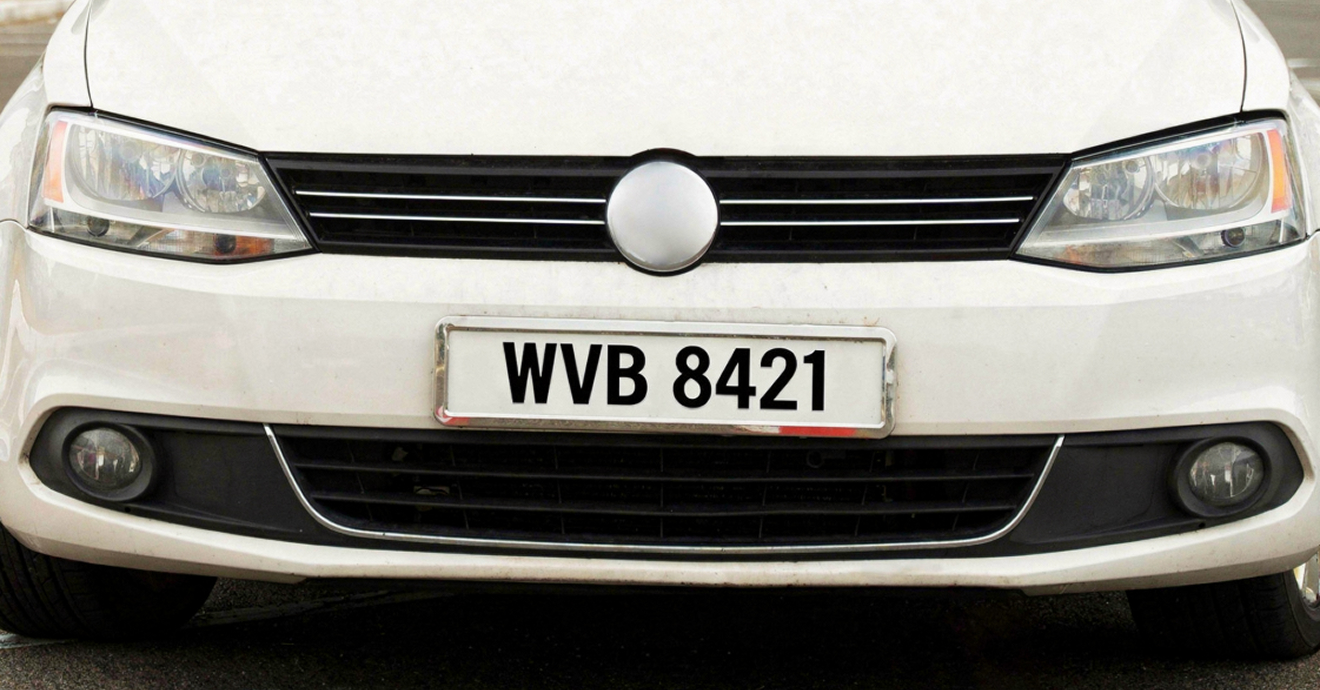
ANPR stands for an Automatic Number Plate Recognition system. The term is most commonly used in the United Kingdom, Europe, and many Commonwealth countries where vehicle registration plates are referred to as “number plates”.
ANPR systems use specialised cameras and software to capture vehicle plates, convert them into digital text, and use that information for applications such as parking management, access control, toll collection, and traffic monitoring.
Looking for a deeper dive into how ANPR technology works? Read our complete guide to what an ANPR system is.
What Does LPR Stand For?
LPR stands for a License Plate Recognition system. It refers to the same technology as ANPR but uses the North American term “license plate” instead of “number plate”.
The term is widely used in the United States, Canada, and increasingly throughout the commercial parking and access control industries.
Interested in parking applications? Learn more about what LPR parking is.
ANPR vs LPR: Different Terms, One Technology
An ANPR system and an LPR system in Malaysia are different names for the same technology. Both use cameras, image processing, and optical character recognition (OCR) to identify vehicles through their licence plates.
You may also encounter the term ALPR (Automatic License Plate Recognition), which is used particularly in North America. Like ANPR and LPR, ALPR refers to the same underlying technology.
From a technical perspective, all three terms describe the same vehicle recognition process.
Similarities Between ANPR and LPR
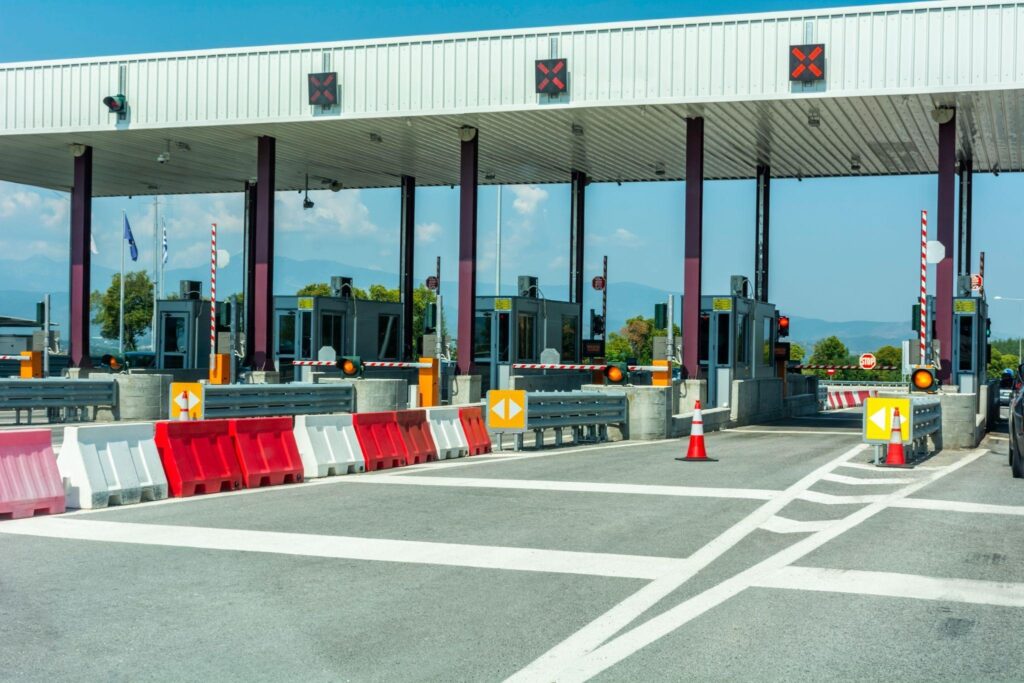
Before diving into what sets them apart, it helps to understand what they share. Knowing why these terms are so often used interchangeably makes the distinctions easier to appreciate in context. Here are the aspects they have in common:
- The same core process: Both systems use specialised cameras to capture vehicle plate images, apply OCR to convert those images into readable text, and cross-reference the result against a database to trigger an action.
- The same hardware: Infrared cameras, edge processors, and barrier control units are standard components across both systems, regardless of what the system is called.
- The same accuracy benchmarks: Recognition performance is determined by camera quality, software capability, and environmental conditions, not by which term the supplier uses.
- The same integration capability: Both connect with the same types of downstream systems: payment terminals, barrier gates, parking management platforms, and building security and management software.
- The same underlying goal: Whether a system is marketed as ANPR or LPR, the purpose is identical: to automatically identify vehicles by their plates without any driver action or human intervention.
That said, the fact that they share the same foundation does not mean the terms are always used in the same context. The distinctions, while subtle, are worth understanding.
Where Does the Difference Lie in ANPR vs LPR?
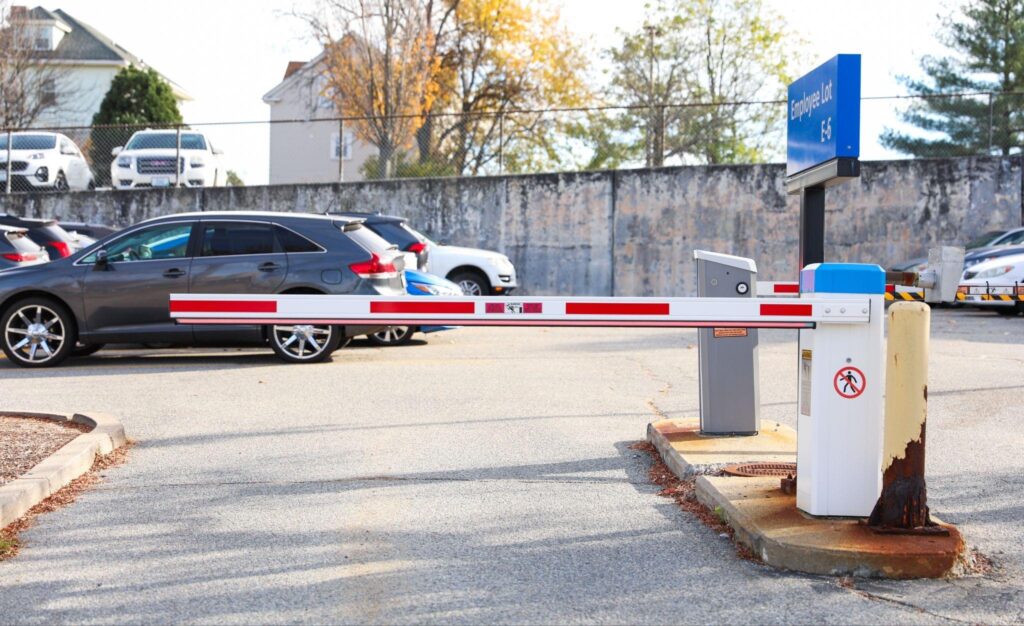
Like most vocabulary in language, the difference lies largely in connotation and use cases rather than technology. Each term tends to carry different associations depending on the market, industry, and application.
ANPR is commonly associated with government, law enforcement, tolling, and traffic monitoring projects. LPR is more frequently used in car parks, gated communities, commercial buildings, and industrial facilities.
Table of Comparison for ANPR vs LPR
| Aspect | ANPR | LPR |
| Full Form | Automatic Number Plate Recognition | License Plate Recognition |
| Common Regions | UK, Europe, Australia, and Commonwealth countries | United States, Canada, and much of the commercial security industry |
| Common Applications | Traffic monitoring, tolling, law enforcement, and public infrastructure | Parking management, access control, gated communities, and commercial facilities |
| Typical Users | Government agencies, transport authorities, and law enforcement | Property owners, facility managers, parking operators, and businesses |
Benefits of ANPR/LPR Systems
Traditional parking and access control systems often rely on tickets, access cards, or manual verification. ANPR and LPR systems replace these processes with automated vehicle identification, delivering several practical benefits:
- Faster Entry and Exit: Vehicles are identified automatically, reducing queues and eliminating the need for tickets or access cards.
- Reliable Recognition: Modern cameras can accurately capture licence plates in various lighting and weather conditions, including low-light environments.
- Lower Operating Costs: Reduced reliance on tickets, access cards, and manual verification helps lower ongoing operating expenses.
- Easy Scalability: Additional lanes or locations can be added without significantly increasing staffing or administrative requirements.
- Fewer Operational Disruptions: With no tickets to lose or cards to manage, common access-related issues are minimised.
- Seamless Integration: ANPR and LPR systems can integrate with barrier gates, parking management software, payment systems, and access control platforms.
How Does an ANPR/LPR System Work?
- Captures the Number Plate: ANPR/LPR cameras capture an image of a vehicle and its number plate as it enters the camera’s field of view.
- Reads the Plate: Image-processing software detects the number plate and converts its characters into digital data.
- Processes the Data: The system compares the plate number against predefined lists or databases to determine whether any action is required.
- Triggers an Action: Depending on the setup, the system can grant or deny access, record vehicle movements, trigger alerts, or identify vehicles of interest.
For a more in-depth explanation, visit our article on What Is ANPR.
Conclusion
Whether you are searching for a License Plate Recognition (LPR) system or an Automatic Number Plate Recognition (ANPR) system in Malaysia, the underlying technology remains the same. The more important consideration is choosing a solution that fits your operational requirements, integrates with your existing infrastructure, and delivers reliable performance in real-world conditions.
As a trusted building security company in Malaysia, CMC Solutions provides ANPR and LPR systems for Malaysian parking management, vehicle access control, and security applications across a wide range of industries. Reach out to us today for a free site assessment and consultation to explore the right car plate recognition system for your property.
Frequently Asked Questions about ANPR vs LPR
1. Are ANPR and LPR the same thing?
Yes, in most contexts. Both terms describe the same technology: a system that uses cameras and OCR software to automatically read vehicle licence plates and trigger an action based on the result. The main differences lie in regional terminology and common applications rather than the underlying technology.
2. If they are the same technology, why do different suppliers use different terms?
The difference is largely regional. ANPR is more commonly used in the UK, Europe, and many Commonwealth countries, while LPR and ALPR are more common in North America. Suppliers typically use the terminology that is most familiar to their target market.
3. What should I look for when choosing an ANPR or LPR system?
Focus on practical performance rather than terminology. Key considerations include recognition accuracy, camera placement requirements, low-light performance, integration with existing systems, scalability, and ongoing support from the supplier.
4. Is a higher camera resolution always better for ANPR and LPR systems?
Not necessarily. Higher resolution does not automatically translate into better licence plate recognition. For many applications, 4MP or 5MP cameras provide an effective balance between image detail, low-light performance, and processing efficiency. Overall recognition accuracy depends on a combination of camera quality, optics, software, and installation conditions.
5. Does the term used affect the cost or quality of the system?
No. Cost and performance are determined by the quality of the hardware, software, and system design rather than whether the solution is described as ANPR, LPR, or ALPR. Two systems with similar specifications can perform identically despite being marketed under different terms.
6. Are there any limitations to ANPR and LPR systems?
While modern ANPR and LPR systems achieve high recognition accuracy, performance can still be affected by factors such as poor camera placement, extreme weather, low-light conditions, damaged or obstructed licence plates, and high vehicle speeds. Regular maintenance, proper system design, and quality hardware are essential for achieving reliable long-term performance.